Locked out of the house: what to do in the UK
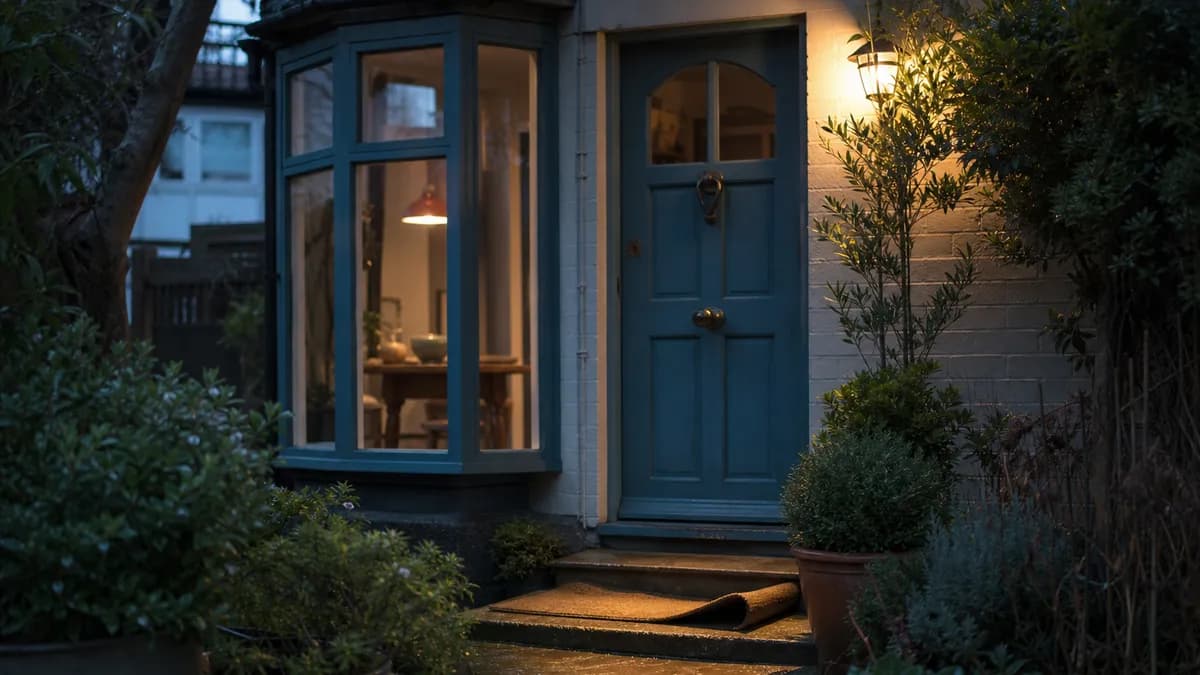
Being locked out of the house is a problem that gets more expensive the faster you act, which is the wrong instinct entirely. The first calls most people make cost them money they did not need to spend. This is the order to work through in the UK, from the two minutes that solve it for free to the questions that separate a good locksmith from an expensive one.
What should you do in the first five minutes?
Rule out the possibility that you are not actually locked out. Try every other door and any ground-floor window before you accept the situation, back door, side gate, patio door, utility room, the window someone leaves on the latch. Households with more than one exterior door are locked out far less often than they think.
Then check the obvious: are the keys in the other side of the lock, in the shed, in the car, or in a coat hanging in the hall? Ring anyone else who lives there and ask them to check their bag before they set off home. And check whether a neighbour, a parent or a letting agent holds the spare you forgot you gave them. Five minutes here routinely saves three figures.
Who can let you in before you call a locksmith?
In order of likelihood: another resident, a neighbour with a spare, a landlord or letting agent, and, for a flat, the building's concierge or managing agent. Renting changes this materially, because the spare key is usually somebody else's legal responsibility rather than a favour.
If you rent, ring the agent's emergency line first even out of hours. Many tenancies make the landlord liable for access, and a locksmith you appoint yourself may be a cost you cannot recover. The related question of who pays for a lock change when the keys are genuinely gone is a separate one, and we set it out in lost keys in a rented flat.
How do you find a locksmith you can trust?
Use a trade body rather than the first paid advert, because locksmithing is not a licensed trade in Britain, there is no register you must be on and no qualification you must hold to take the job. The Master Locksmiths Association maintains a list of companies it vets and inspects, and its own advice is to obtain more than one quote rather than accepting the first number you are given in a panic.
Three questions to ask on the phone, before anyone gets in a van:
- "What is the total price, including call-out, labour, VAT and any parts?" An advertised price that covers only attendance is the commonest complaint in the trade.
- "Are you local, and what is your ETA?" National call-centre operations subcontract to whoever is nearest and add a margin.
- "Will you attempt non-destructive entry first?" The answer should be yes without hesitation.
Will the locksmith have to drill the lock?
Usually not. A skilled locksmith opens the large majority of domestic locks without damaging them, using picking or bypass techniques, and you then pay for attendance and labour rather than attendance, labour and a new cylinder.
Drilling is legitimate in some cases, a high-security cylinder, a snapped key in the mechanism, a lock that has already failed, but it should be a decision explained to you, not the first tool out of the bag. If someone arrives, looks at a standard euro cylinder and reaches for a drill, you are entitled to stop and ask why, and to send them away.
What does it cost, and can you claim it back?
Enough that it is worth the five minutes of checking above. Emergency rates climb steeply outside working hours and climb again after midnight, and replacing a lock costs more than opening one. The published 2026 UK trade figures are set out in full in the locksmith bill versus a key finder.
As for claiming it back: standard home insurance will not usually pay for a lockout, because nothing has been stolen or damaged. Key cover, an optional add-on, is what pays for this scenario, and it comes with its own limits and a claim deadline. Our breakdown of what key cover actually pays for has the published wordings.
How do you stop it happening again?
Four things, in ascending order of effort:
- Place a spare with a person, not under a mat. A neighbour, a relative, a colleague. Under the mat and inside the fake rock are the first two places anyone looks.
- Keep the door on the latch habit under review. Most lockouts involve a door that locks behind you, a euro cylinder on a uPVC door that closes on a slam is the classic.
- Use a key safe if you must, and fit it out of sight, with a code that is not the house number.
- Make the keys findable. The cheapest lockouts are the ones where the keys were in the building all along.
How Air Tracker helps
The last point is the one a tracker actually addresses. Not every lockout, but a specific and common sort: the keys are somewhere on the premises or in something you are carrying, and you cannot prove it.
Air Tracker rides on the keyring using the ring supplied and can be made to sound at 80–100 dB from your iPhone at any point within about 60 metres. Standing on your own doorstep, that reaches most of a house, so if the keys are on the hall table behind the door, you will hear them, which tells you to ring a housemate rather than a locksmith. If they are further away, the Find My app shows the last place they were seen, refreshed by the network of passing Apple devices, and that is often enough to identify which building they are in.
The feature that prevents the whole scenario is Notify When Left Behind: your iPhone warns you the moment you walk away from the keys, and a door that has not shut yet is not a lockout. Share the item with a partner on iOS 17 or later and either of you can ring the same set from your own phone.
What it is not: an Android accessory, a GPS unit or a Precision Finding device. Apple hardware updated to iOS 14.5 or beyond is the requirement, and what you get is a chime and a pin instead of an arrow. Each tag is IP67 rated for a wet doorstep, about ten grams, with a replaceable coin cell rated for a couple of years.
The box holds two tags and two key rings, costs under £15 and arrives free of charge. have a look before the next cold doorstep.
Written by Item Finder Updated
More from the journal
 How to4 min read
Key finder iPhone setup: done in five minutes
A key finder iPhone setup takes about a minute in Find My. Here are the steps, the alerts worth switching on, and what to do when a tag refuses to pair.
 How to5 min read
How to find lost keys in the house: a room method
How to find lost keys in the house without turning it upside down: the six places they hide, a room by room order, and when to stop looking and start ringing.
 In the news5 min read
The cost of losing things, and the cover you have
The true cost of losing things is rarely the price tag. A September 2026 warning about double insurance is a good reason to check what you already pay for.